

LinkedIn wants us to spot AI slop. But can we?
Fast answer: Not easily. Research consistently shows people are barely better than chance at identifying AI-generated content from style alone. But ...

Sustainability and green claims are fast becoming a commercial and regulatory expectation. Moving beyond vague statements, stakeholders now expect evidence of credible progress. This guide will help you confidently communicate your environmental ambition, navigate UK regulation, explore certifications, and quickly audit your claims.
Sustainability and green claims are no longer (and never should have been) a marketing badge. They are fast becoming a commercial and regulatory expectation. For organisations in energy, manufacturing and other regulated industries, environmental claims sit at the centre of compliance, reputation and supply chain value. As stakeholder expectations rise, close inspection from customers, regulators and procurement teams will intensify.
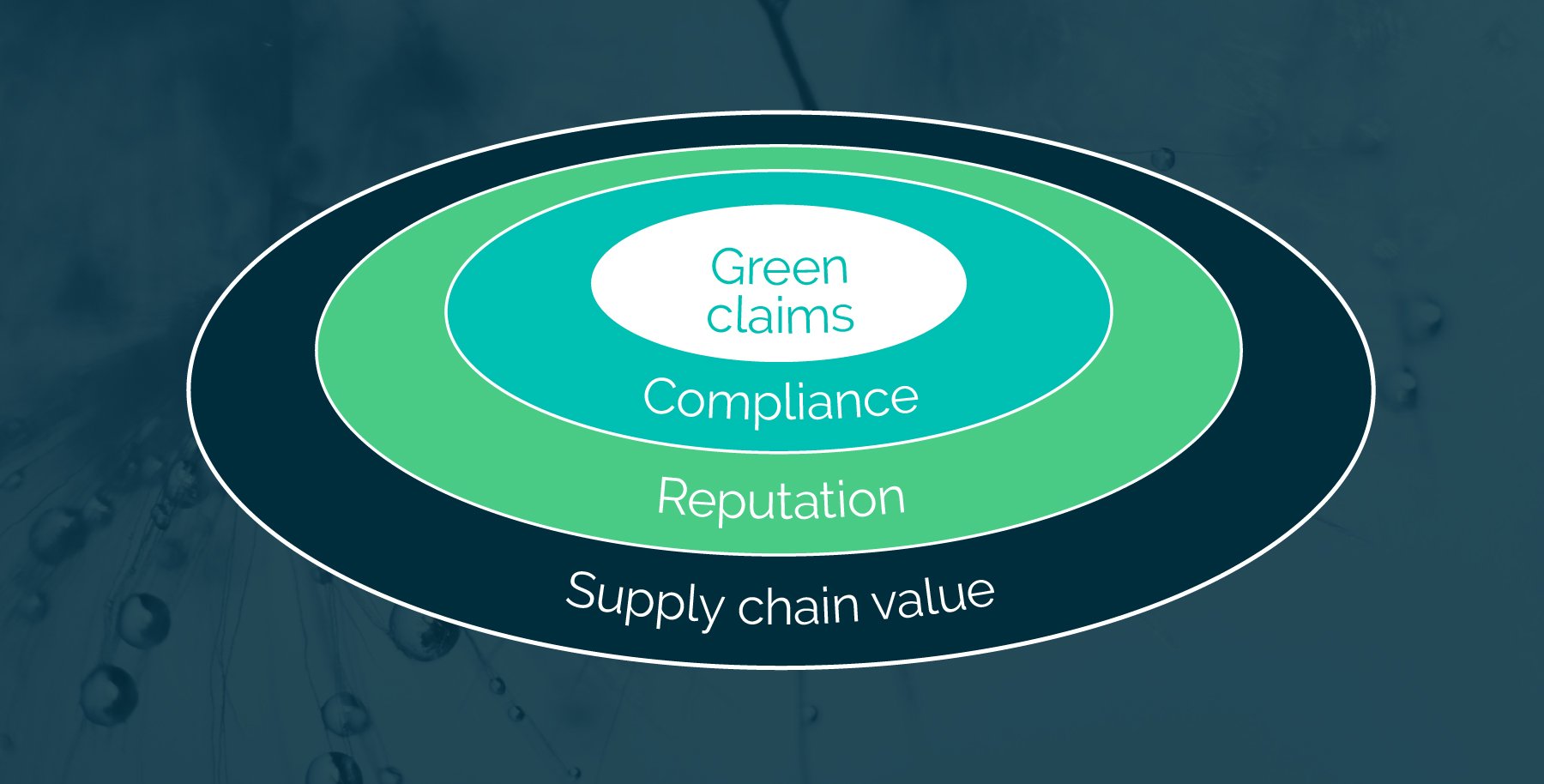
In my recent discussions with experts from the Advertising Standards Agency (ASA) and the Advertising Association one message came through clearly: Buyers, whether B2B or B2C have moved on from vague environmental statements.
Miles Lockwood (Director of Complaints and Investigations, ASA) advised:
"The biggest mistake businesses make, the key tripping point, is being overly absolute and bombastic in their claims.”
Watch the BusinessGreen webinar on-demand
What stakeholders want is evidence of credible progress on sustainability initiatives. For investors, procurement teams and potential customers, they want to see resilient supply chains, science-based targets, and clarity on how Scope 3 commitments translate into real-world action. In other words, sustainability claims are being assessed with the same rigour as financial and operational ones.
If you’re at an early stage, understanding what greenwashing is — and why it matters — is a necessary starting point. But for organisations already on that journey, the challenge is more nuanced.
Keep reading, we’ve got it covered.
Data shows that public and professional interest in "greenwashing" isn't linear; it peaks and recedes like a wave.
Looking at Google search trends for “greenwashing” over the last five years, a clear pattern has emerged:
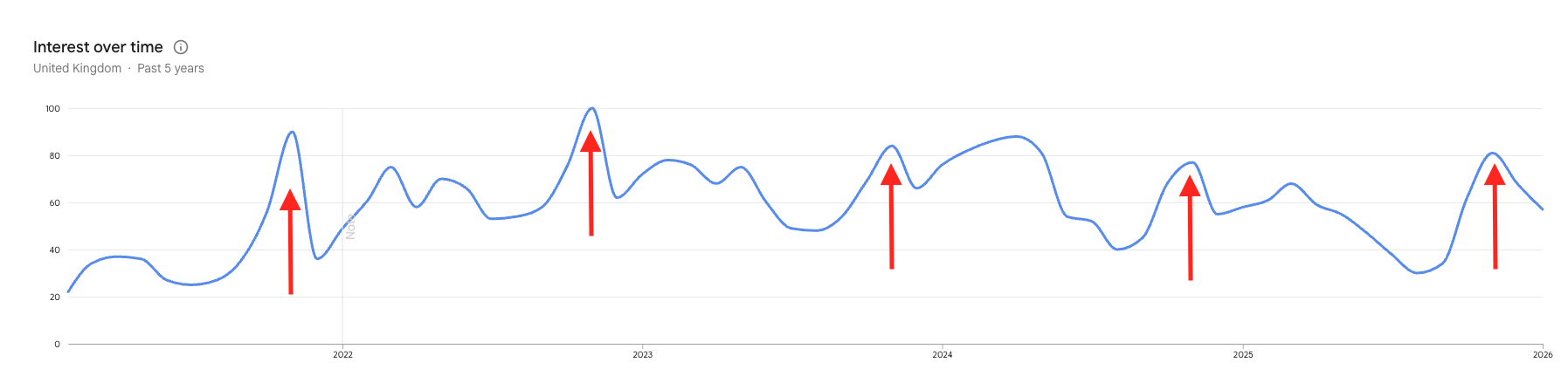
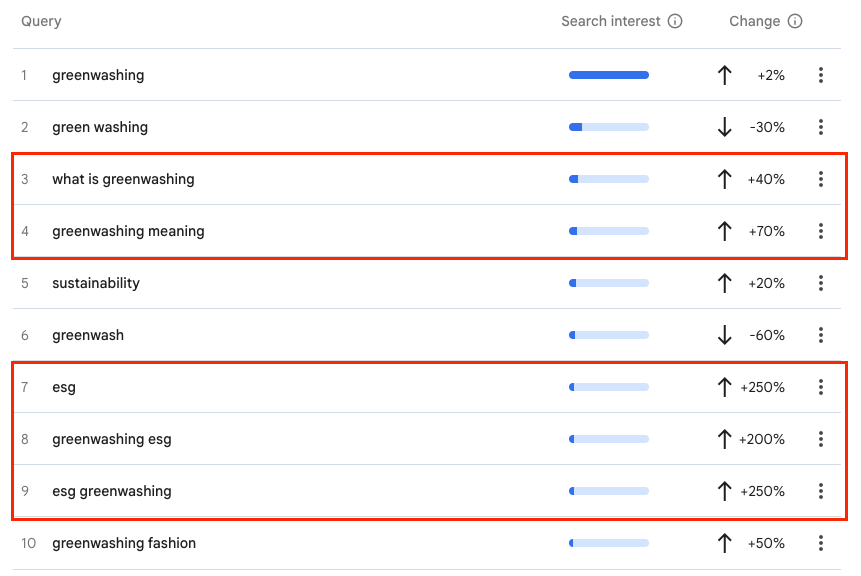
Heightened scrutiny isn’t a threat to every business. For organisations with substantiated claims and strong internal alignment, peak attention moments offer an opportunity to show what good looks like and to add credit to their reputational bank.
When it comes to greenwashing, the Competition and Markets Authority’s Green Claims Code sets the standard. It lays out how businesses should make environmental claims that are truthful, clear and supported by evidence. It is built around six core principles and designed to reduce the risk of misleading or exaggerated sustainability claims.
While the Code was originally framed around consumer-facing communications, updated guidance issued in early 2026 stresses its relevance across the entire supply chain. This is a key takeaway for any business in the supply chain.
If you supply a product or service, your environmental claims don’t exist in isolation; they directly underpin your customers’ own claims. Poorly evidenced or unclear messaging can therefore create risk not just for your business, but for every organisation downstream that relies on it.
With this in mind, businesses should consider their approach from two perspectives:
Mandatory vs. voluntary: Which frameworks apply legally, and which provide a competitive edge?
Short-term vs. long-term: What must you act on now, and what should you prepare for next?
In the interest of jumping on opportunities, businesses are also investing in external validations, but this isn’t just badge collecting – we’re not at Scouts.* Instead, it’s about adopting a third-party framework that provides the diligence to identify gaps.
The rise of the B Corp movement is perhaps the clearest signal of this shift. What began as a niche certification has become mainstream. The UK now has over 2,600 certified B Corps, up from just 62 in 2015.
💚 We’re included in that list of certified B Corp businesses.
In the last four years, the B Corp community has almost doubled, despite the introduction of more demanding climate requirements. In addition, the B Corp logo is recognised by more than 50% of the UK. It’s become instantly understood as a mark of trust when it comes to sustainability claims.
B Corp is one of many third-party accreditations and certifications businesses can undertake to demonstrate their commitment to nature, community and ethical practices.
*The Marketing Pod has no commercial affiliation with Scouts; there are other after-school clubs available.
| Certification | Focus areas | Who can apply? | Requirements | Business impact |
| B Corp |
Evaluates governance, workers, community, environment, and customers. |
All private businesses. |
Score 80+ on the B Impact Assessment (BIA); commit to legal accountability by amending Articles of Association. |
B Corp reports faster annual growth in revenue and employee headcount. |
| EcoVadis |
Environment, Labour and Human Rights, Ethics, and Sustainable Procurement. |
All businesses, popular with manufacturing, logistics, and retail. |
Evidence-based assessment resulting in a scorecard (0-100) and medals (Bronze to Platinum). |
EcoVadis offers actionable insight, risk management and compliance benefits |
| ISO 14064 |
International standard for GHG accounting, reporting, and verification. | Any organisation seeking to verify its carbon footprint or Net Zero claims. |
Rigorous three-part audit of GHG emission boundaries, quantification methods, and verification of reductions. |
Can verify any carbon claims to avoid greenwashing penalties. |
In 2026, The Marketing Pod became B Corp certified. For us, this isn't just a badge. It’s a commitment to sustainability and our community, and to keep pushing ourselves to do more.
"B Corp certification reflects the way we run our agency, sustainably and with care for the impact we have beyond our work. This is the start of a bigger journey, not the end of one."
-Jodie Williams, The Marketing Pod co-founder.
Before publishing any green claim, run it through our quick ACE audit. If you hit a red flag, it’s time to rethink the language or add in some science-based evidence to back it up.
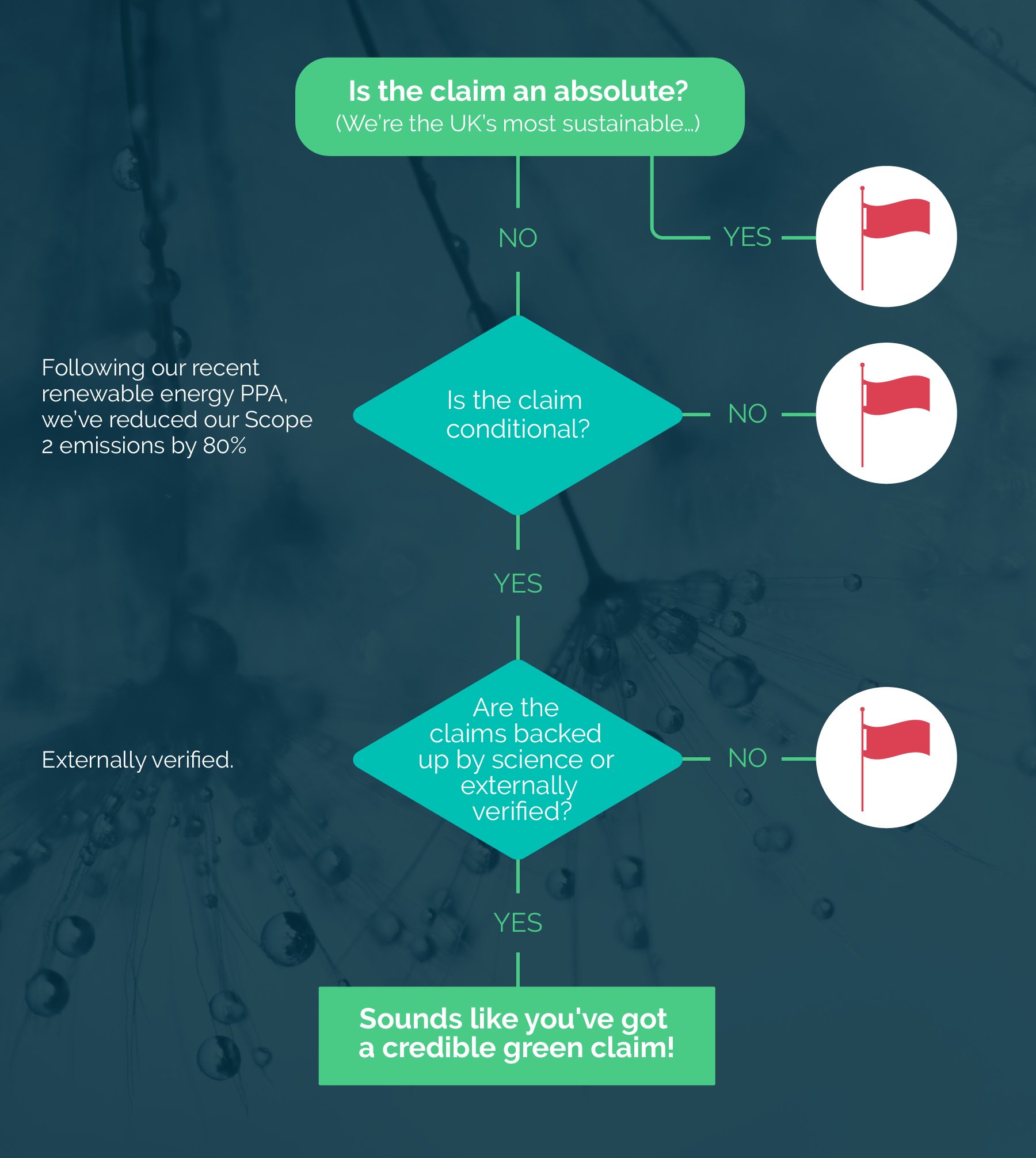
This is a good way to start thinking about substantiating your green claims, and for a more in-depth approach, check out five steps to communicate your green progress clearly.
📗 Download our FREE Beyond Carbon whitepaper
It’s also a good idea to double-check with a third-party framework, such as the Green Claims Code, before publishing anything.
Fear of greenwashing shouldn’t lead to inaction. Businesses that integrate sustainability into decision-making, governance and operations are far better equipped to communicate progress with confidence and clarity. With green claims now spanning carbon, nature-based solutions and wider environmental impact, there is a real opportunity to highlight meaningful action, provided it is communicated authentically.

Ellie is our Marketing Strategy Consultant, which makes our clients very lucky people indeed. One of the most thoughtful, caring people you are ever likely to meet, Ellie is also a strategic thinker and committed B2B geek. She has a deep love of research and all the finely-tuned skills you need to turn insight into innovation.










.png)



 Monia Dal Checco
 Mike Nicholls
 Alexander Costello